3 Days in the Peruvian Amazon – Puerto Maldonado & Tambopata National Park
Traveling in Peru goes far beyond the Andes and Machu Picchu. Deep in the south of the country lies the Amazon rainforest — one of the most biodiverse and intense ecosystems on Earth. In this guide, we share our experience spending 3 days in the Peruvian Amazon, starting from Puerto Maldonado and traveling deep into Tambopata National Park.
This article follows our exact journey from the vlog and is designed to help you understand what the experience is really like, how to plan it, and whether it’s worth adding to your Peru itinerary.
🌿 Plan Your Amazon Adventure (Recommended)
👉 Best 3–4 Day Amazon Jungle Tours from Puerto Maldonado
👉 Tambopata National Park Tours & Experiences https://gyg.me/lvsoL9A1
👉 Link to our accommodation: https://wasai.com/en/wasai-tambopata-lodge/
Why Visit the Peruvian Amazon?
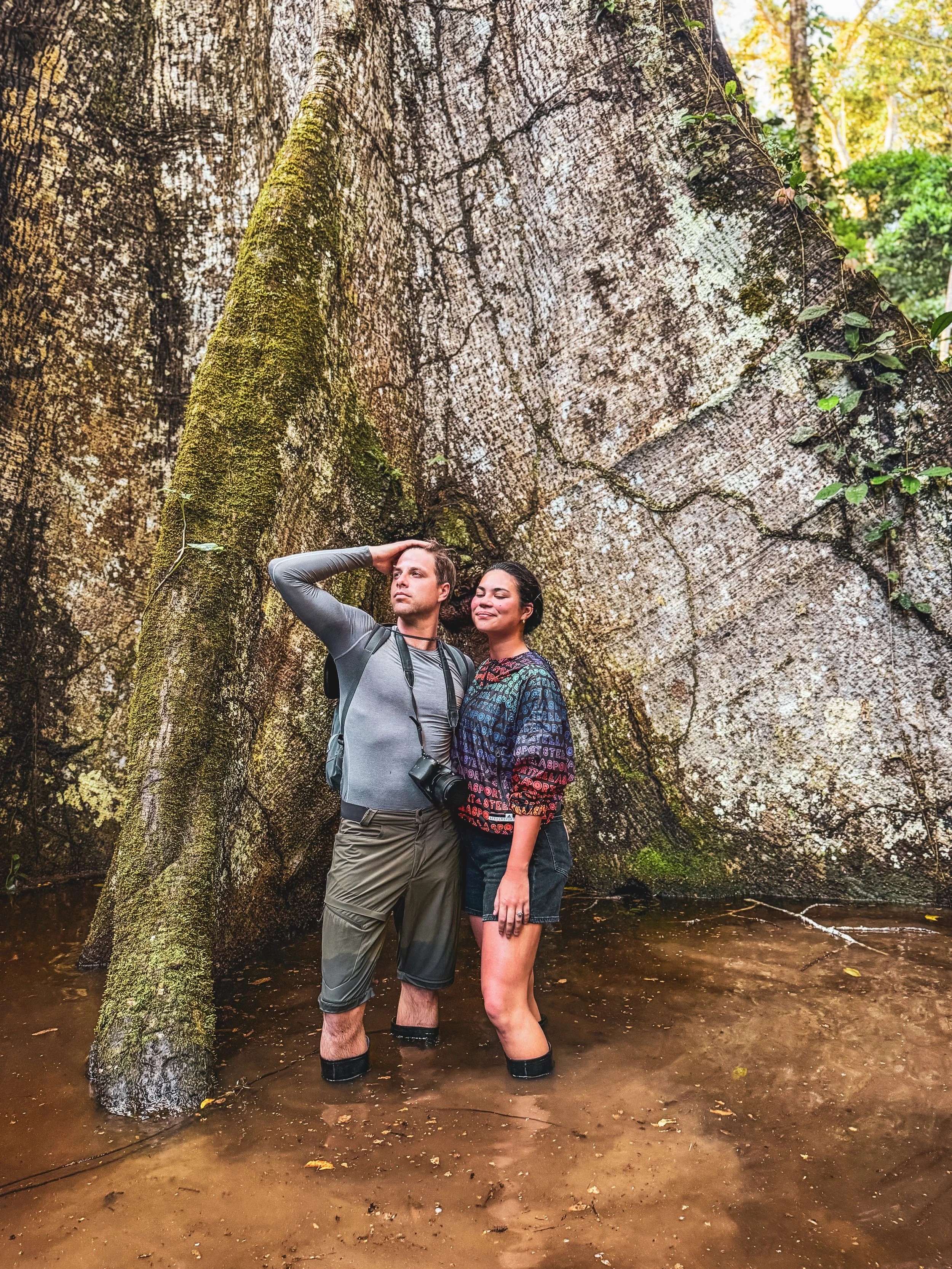
Walking in the flooded jungle searching for wildlife
When most people imagine Peru, they picture ancient ruins and dramatic mountain landscapes. But around 13% of the entire Amazon rainforest lies within Peru, making it the second-largest share after Brazil.
The Peruvian Amazon offers:
Exceptional biodiversity (hundreds of bird and mammal species)
Remote jungle experiences without extreme logistics
A powerful contrast to high-altitude destinations like Cusco
Tambopata, located in the Madre de Dios region, is one of the best places to experience this — both for wildlife and accessibility.
Why Tambopata National Reserve (and not Iquitos)?
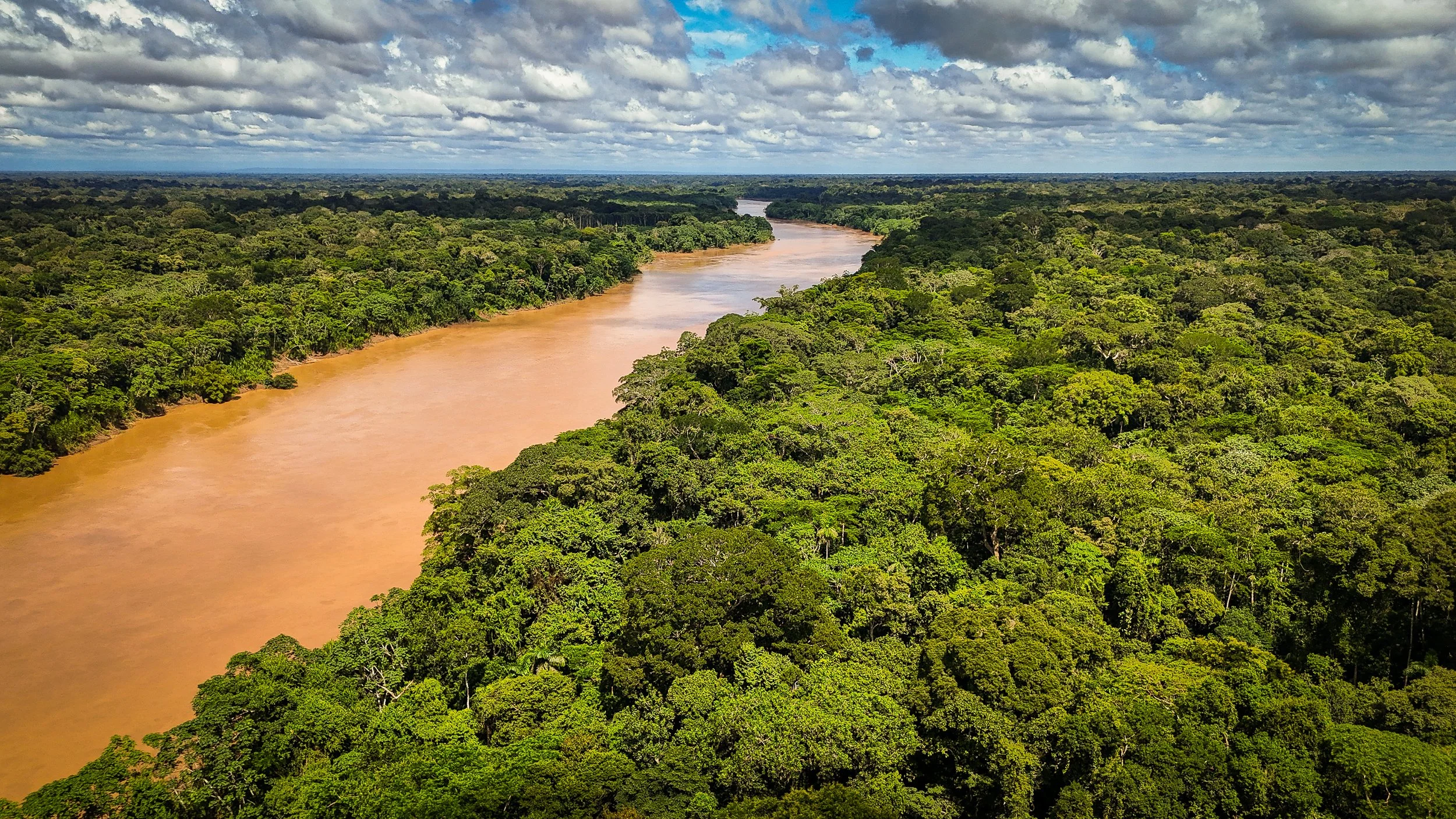
View of the Tambopata River
One of the most common questions we get is why we chose Tambopata National Reserve instead of places like Iquitos.
For us, the answer came down to time, logistics, and travel flow.
Easier to combine with Cusco
Tambopata is extremely easy to reach from Cusco via a short direct flight to Puerto Maldonado. This makes it perfect if you’re already exploring southern Peru and want to add the Amazon without breaking your itinerary.
Iquitos, on the other hand, is only accessible by plane or boat and works best if you can dedicate at least 6–7 full days to the Amazon alone.
Better for shorter Amazon trips
If you have 2–4 days, Tambopata delivers:
Dense rainforest
Excellent wildlife viewing
River travel
Clay licks and night walks
All without long transfers.
Iquitos is fascinating and much larger, but it shines when you have more time for:
Deep river travel
Remote communities
Extended jungle expeditions
Wildlife density vs scale
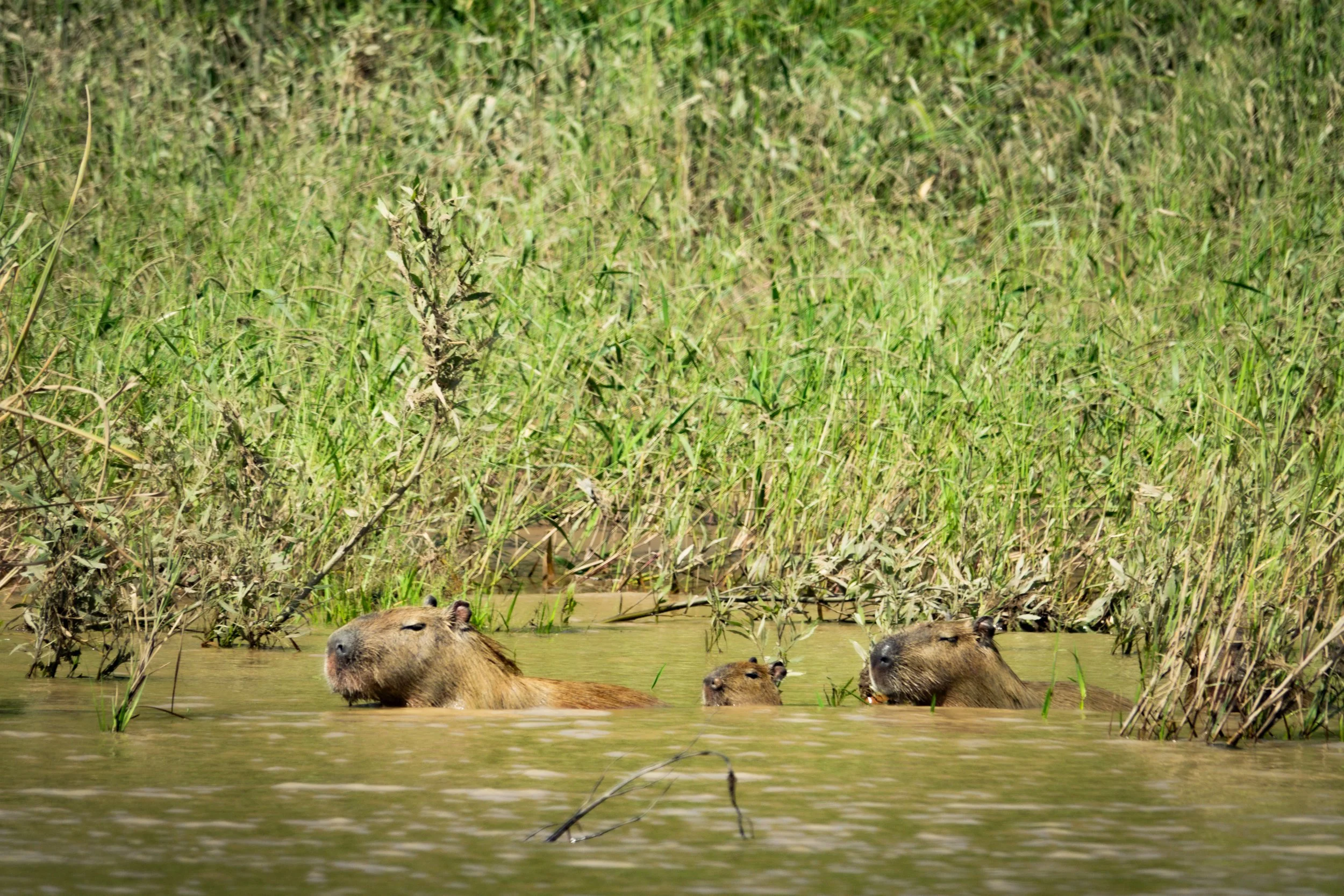
Capybaras by the Tambopata River
Tambopata is smaller than the Amazon around Iquitos, but it’s known for exceptionally high wildlife density. That means less time moving and more time experiencing.
If you’re short on time and want maximum impact, Tambopata is hard to beat.Absolutely.
If you’re already in Peru and looking to:
Experience the Amazon without extreme logistics
Add nature and wildlife to your itinerary
See a completely different side of the country
Then spending 3 days in the Peruvian Amazon near Puerto Maldonado is one of the most rewarding additions you can make.
Getting to Puerto Maldonado
Puerto Maldonado is the main gateway to the southern Peruvian Amazon. The easiest way to get there is by direct flight from Cusco or Lima.
What surprised us most was how dramatic the transition felt:
One hour earlier: thin air and cool mountain temperatures
One hour later: tropical heat, humidity, and dense rainforest
Your body immediately relaxes after days at altitude — something we didn’t fully appreciate until we landed.
Journey into Tambopata National Park
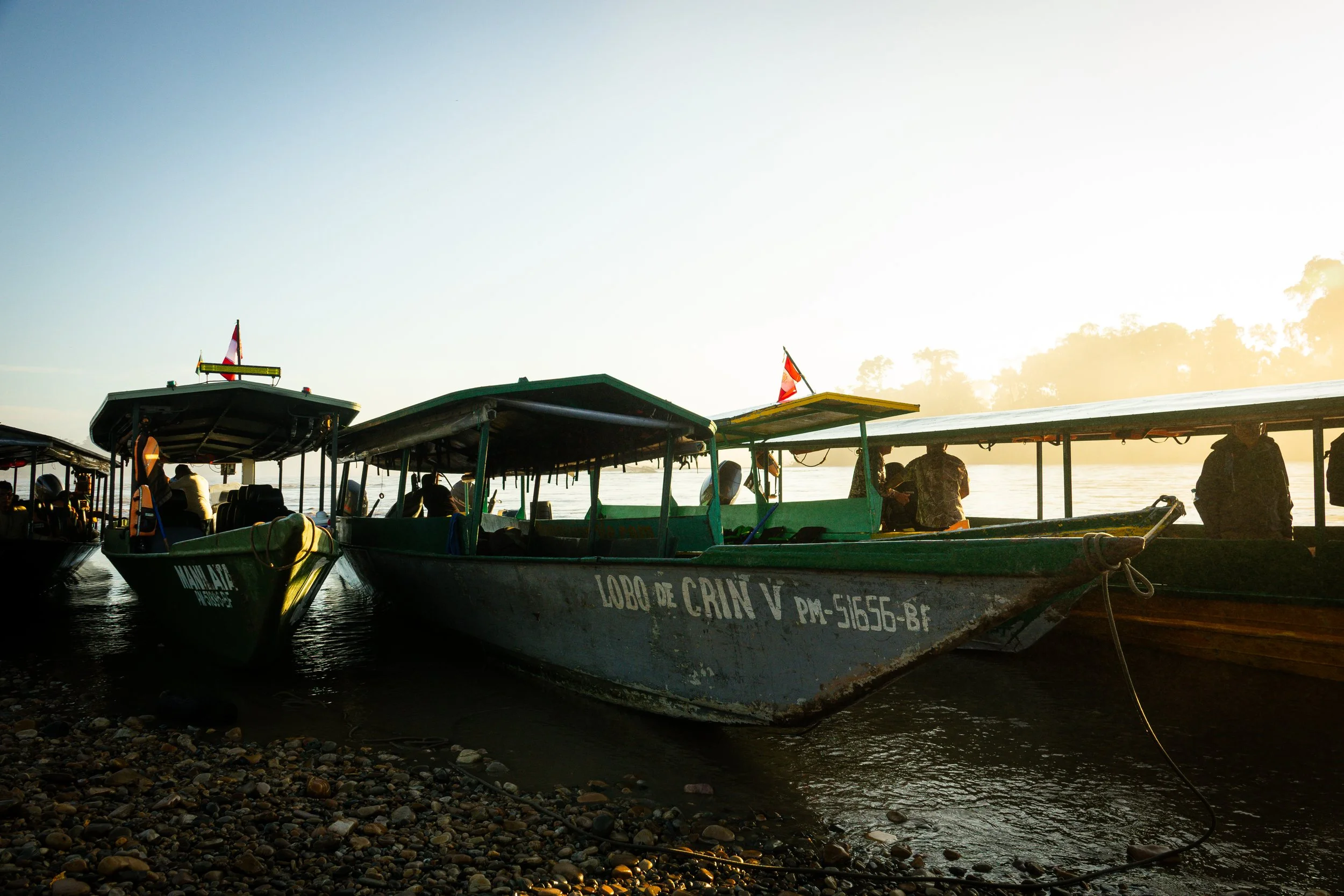
Most of the lodges are only accessible by boat
From the airport, the adventure begins almost immediately.
The journey to our jungle lodge involved:
Driving away from the city and paved roads
Boarding a boat on the Tambopata River
Traveling deeper into the rainforest with every bend of the river
Even before arriving, it was clear this wasn’t just about the destination — the journey itself was part of the experience.
Once at the lodge, you quickly understand that you’re truly in the jungle. Wildlife sounds are constant, electricity is limited to certain hours, and simple rules become essential — like always checking your shoes before putting them on.
It feels intimidating at first, especially if you’re coming from a city, but you adapt surprisingly fast.
Night Walk in the Jungle
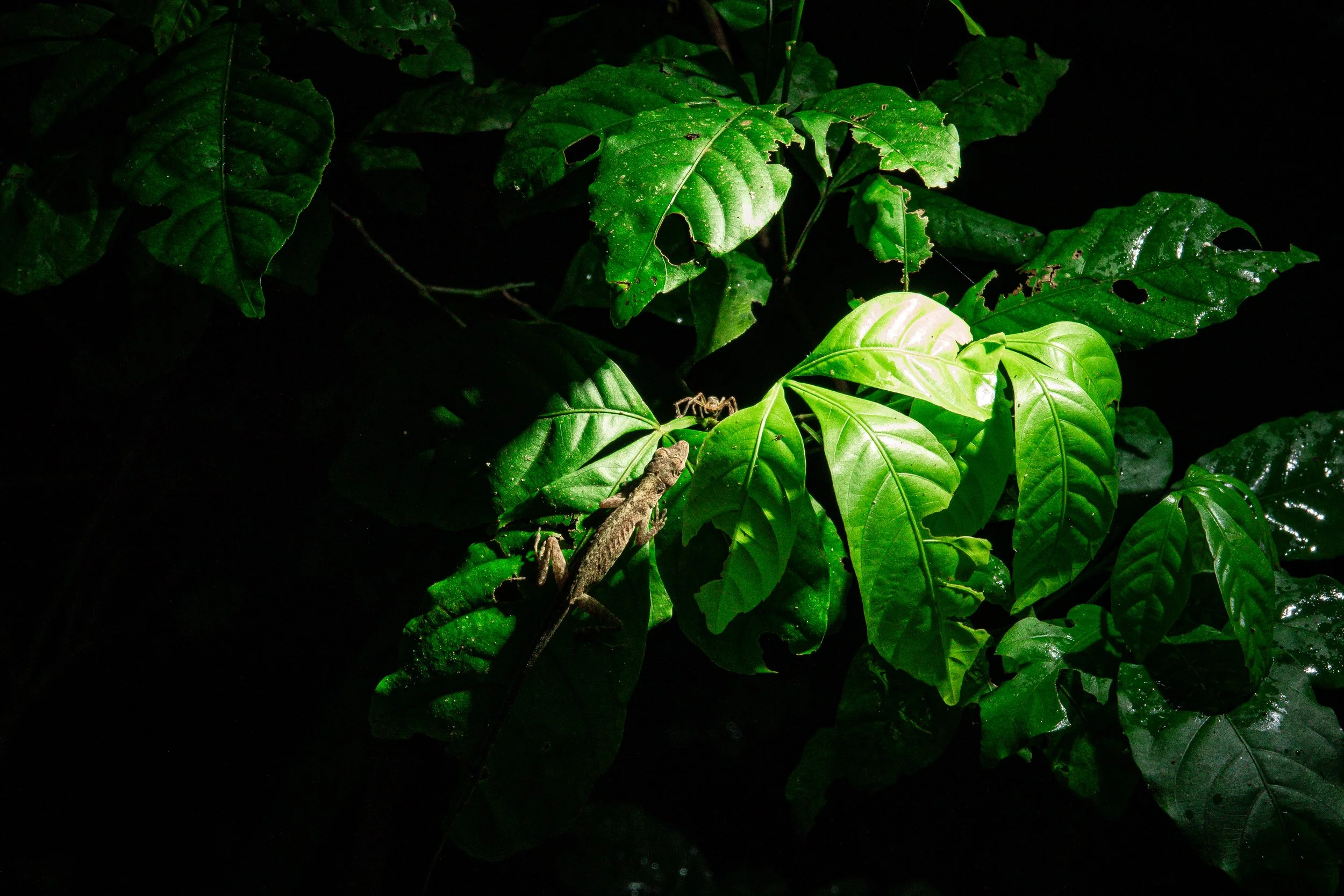
Nocturnal animals in Tambopata National Reserve
One of the most memorable experiences was our night jungle walk.
Just outside the lodge, all lights were turned off, leaving us in complete darkness surrounded by unfamiliar sounds. This is when the jungle feels most alive.
During the walk, we spotted nocturnal creatures such as:
Tarantulas and spiders
Snails and insects
Amphibians hidden along the trails
It’s an intense but fascinating way to experience the Amazon — and very different from daytime wildlife viewing.
Macaw Clay Lick Experience
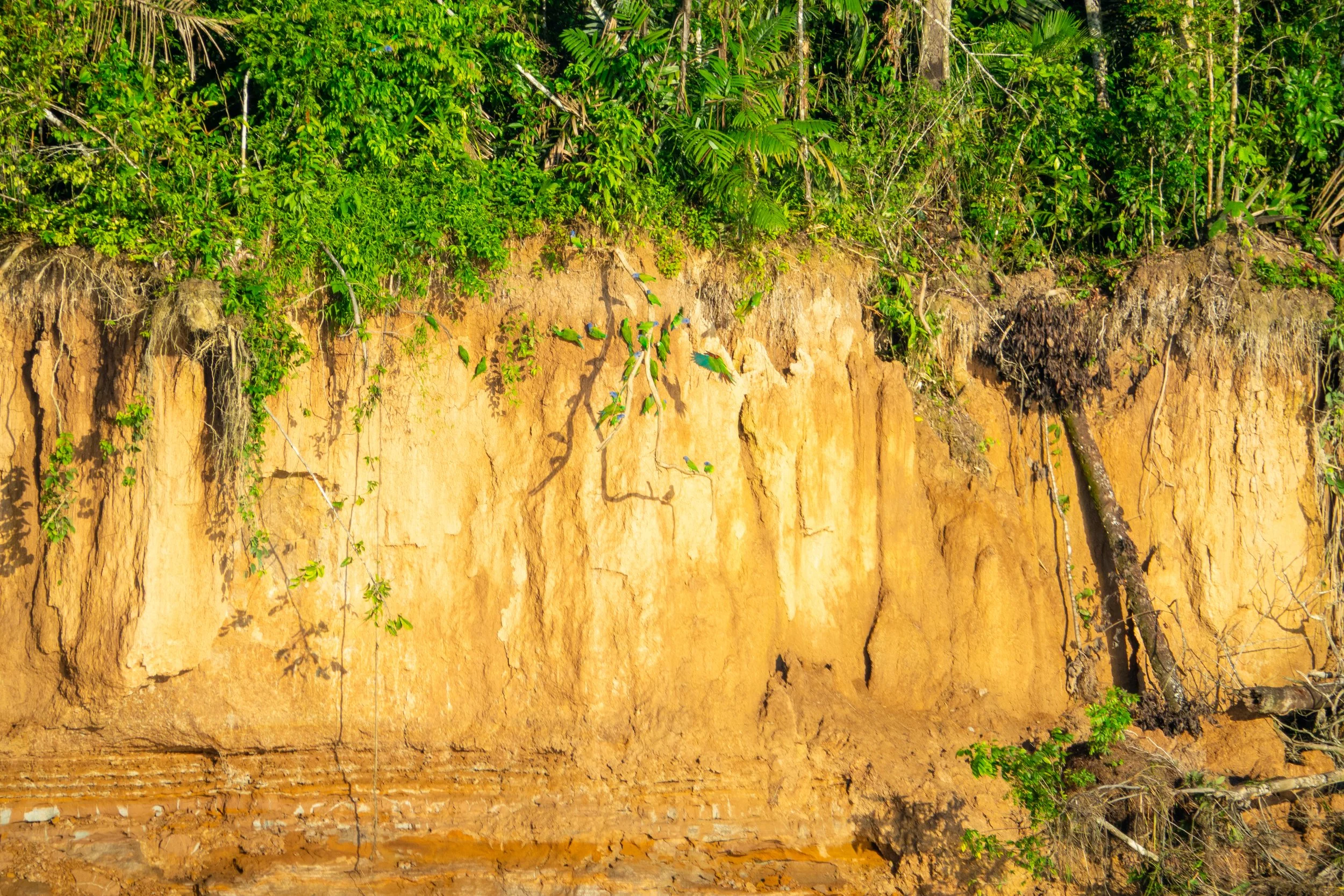
Macaw clay lick is a unique wildlife location
The next morning started early, well before sunrise.
Tambopata is part of a vast biological corridor connecting the Andes, cloud forests, and lowland Amazon. One of the highlights of this region is its macaw clay licks, where parrots and macaws gather to eat mineral-rich clay.
These clay licks are special because:
They can attract hundreds of parrots and macaws in a single morning
The clay helps birds neutralize toxins from their diet
Tambopata hosts some of the most studied clay licks in the Amazon
Due to heavy rains in the days before our visit, river levels were higher than usual, meaning we couldn’t get as close as in the dry season — but observing these birds from a distance was still unforgettable.
Flooded Forest Walk (Rainy Season)
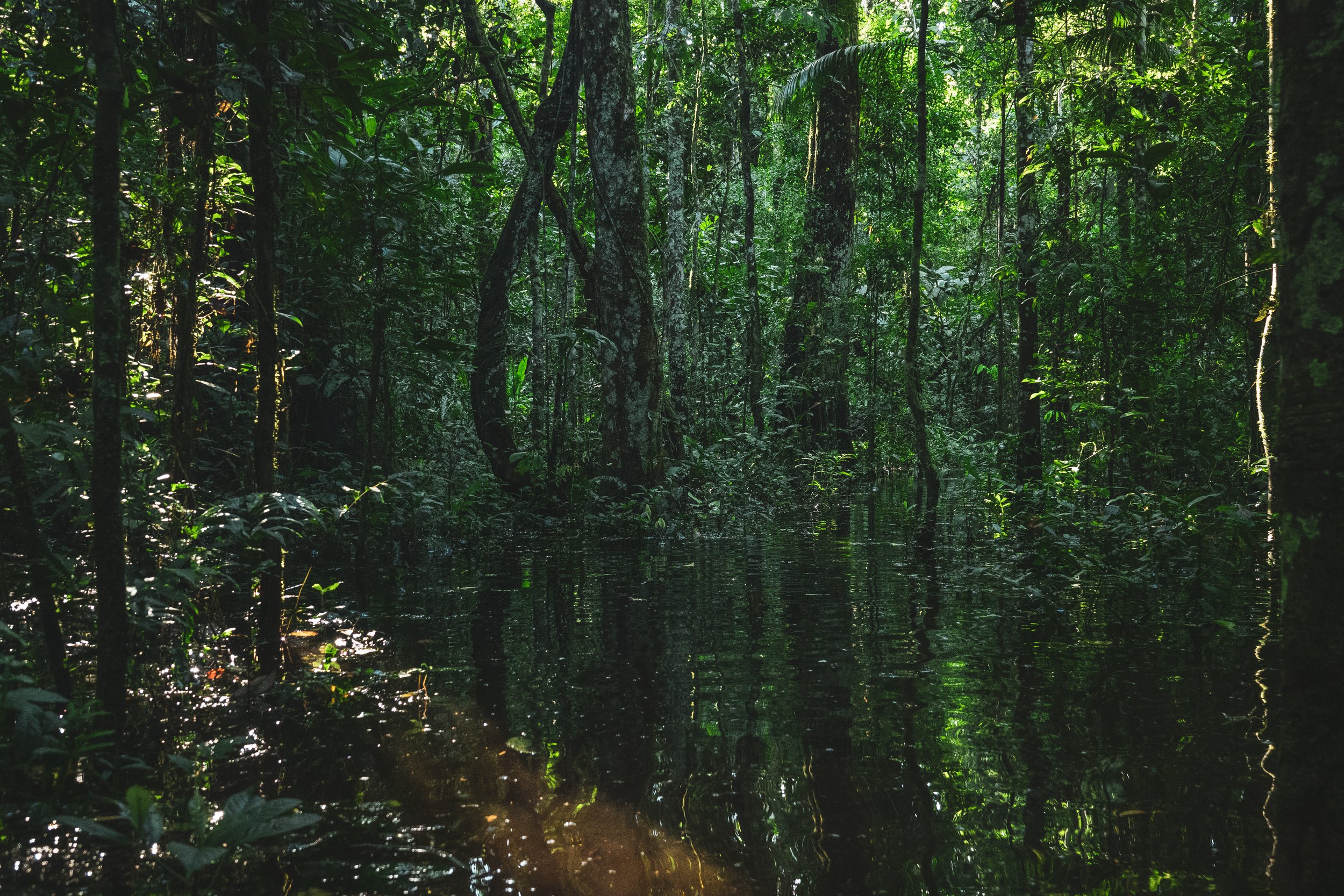
Visiting during the rainy season comes with challenges, but also unique experiences.
One of them is walking through the flooded forest, where trails disappear under shallow water. What starts as a bit of mud quickly turns into a full jungle adventure.
This part of the trip felt raw and immersive — less about spotting animals, and more about experiencing the environment itself.
Illegal Gold Mining – A Fragile Balance
While Tambopata National Park is a protected area, parts of the surrounding region are affected by illegal gold mining.
From the river, it’s possible to see scars along the banks where forest has been stripped away. These activities:
Damage river systems
Introduce mercury into the ecosystem
Affect local communities and wildlife
At the same time, mining remains a source of income for some locals, highlighting the difficult balance between economic survival and environmental protection.
This contrast makes conservation and responsible tourism in the region even more important.
Final Day & Leaving the Jungle
Our last morning was slow and reflective — a chance to absorb the experience before returning to Puerto Maldonado.
Some travelers continue onward to places like Lake Sandoval in search of giant river otters, but for us, it was time to move on.
Next on our journey was a return to the Andes, heading south to Arequipa and the Colca Canyon — a reminder of just how diverse Peru really is.
Is Tambopata Worth It?
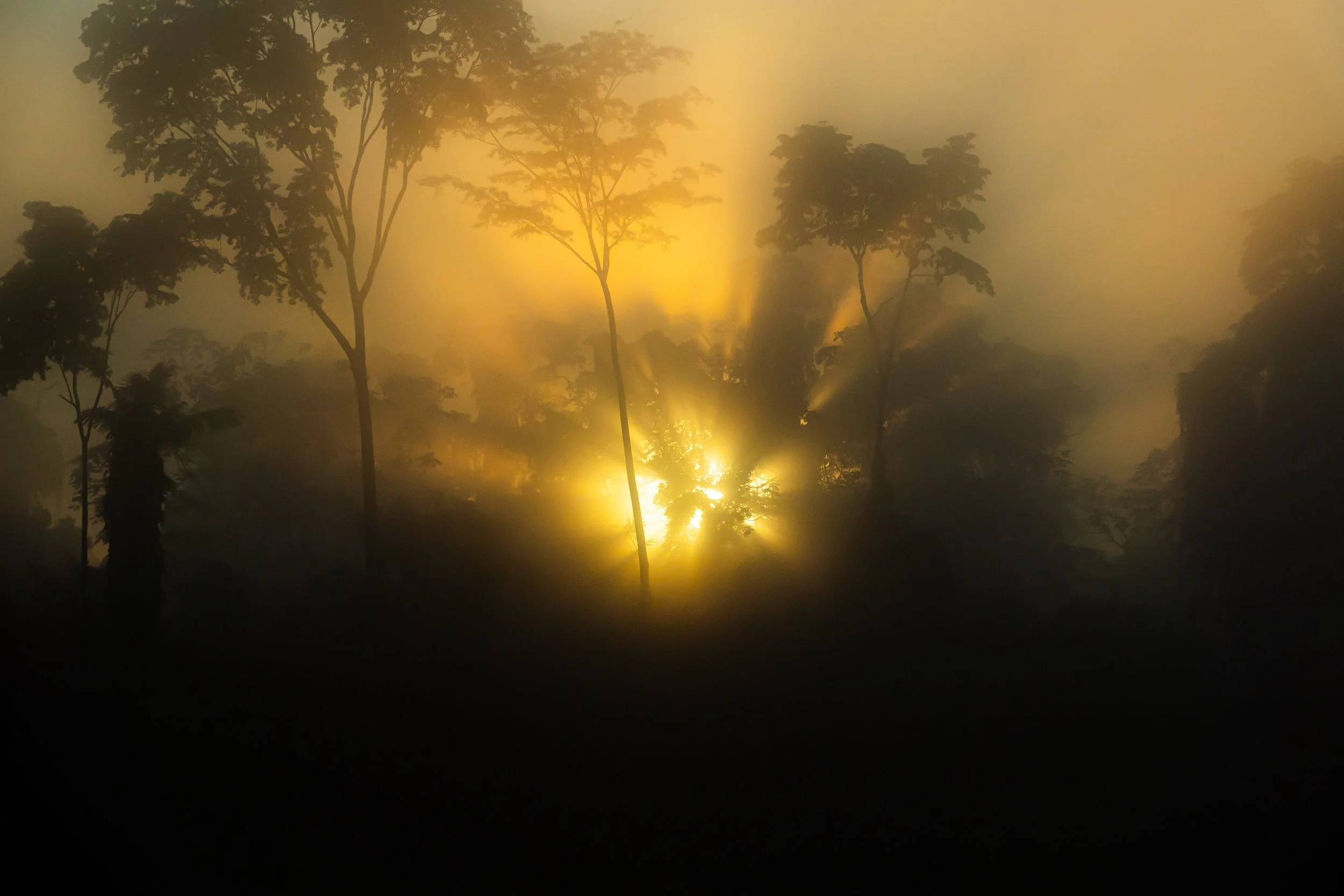
Sunrise in the misty rainforest
Absolutely.
If you’re already in Peru and looking to:
Experience the Amazon without extreme logistics
Add nature and wildlife to your itinerary
See a completely different side of the country
Then spending 3 days in the Peruvian Amazon near Puerto Maldonado is one of the most rewarding additions you can make.
If you found this guide helpful, check out our full Peru travel series and the video version of this journey on Leaving in 5.
FAQ – Visiting Tambopata National Reserve
Is Tambopata better than Iquitos?
Neither is better — they’re just different. Tambopata is ideal for shorter trips combined with Cusco, while Iquitos works best if you have a full week or more dedicated to the Amazon.
How many days do you need in Tambopata?
We recommend 3–4 days. This gives you enough time for night walks, river trips, clay licks, and time to relax at the lodge.
When is the best time to visit?
Dry season (May–October): easier wildlife spotting, lower river levels
Rainy season (November–April): lush landscapes, flooded forest walks, fewer tourists
Is Tambopata safe?
Yes. Travel is done with licensed guides, and lodges operate within strict safety and conservation guidelines.
What animals can you see?
Common sightings include macaws, monkeys, caimans, capybaras, giant river otters (at Lake Sandoval), and countless bird species. Jaguars are present but rarely seen.
Happy travels,
Kika & Balint
