Is the Rainbow Mountain Hike Worth It? 🇵🇪 A Complete Vinicunca Travel Guide from Cusco
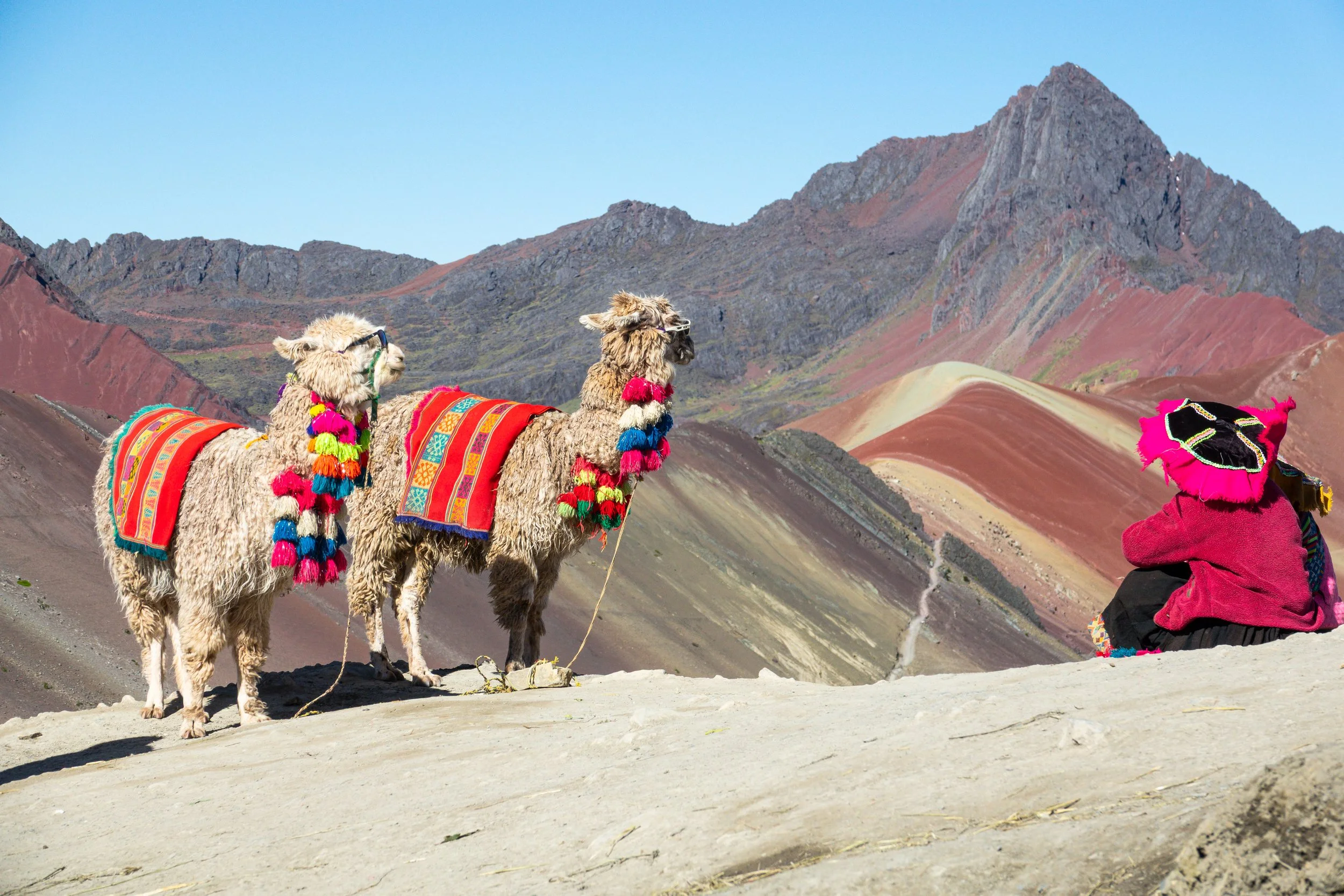
View on the top of the Rainbow Mountain, Peru
The Rainbow Mountain hike has become one of the most popular day trips from Cusco. Its surreal colorful slopes high in the Peruvian Andes attract thousands of travelers every year.
But at over 5,000 meters above sea level, the hike is also one of the highest many people will ever attempt.
Is the Rainbow Mountain hike actually worth it?
The short answer: yes — but it’s not an easy trip.
The hike can be physically demanding, but the reward is one of the most unique landscapes in the Andes.
In this guide, we’ll cover:
What Rainbow Mountain actually is
How difficult the Rainbow Mountain hike is
Whether the experience lives up to the hype
How to visit from Cusco
Tips to avoid altitude sickness
We also filmed the full experience in our video below.
Double-click to edit...
Rainbow Mountain Quick Facts
Altitude: 5,036 m (16,522 ft)
Distance: ~7 km round trip
Hiking time: 2–3 hours
Difficulty: Moderate due to altitude
Location: 3 hours from Cusco
🎥 Watch the Full Rainbow Mountain Experience
What Is Rainbow Mountain (Vinicunca)?
Rainbow Mountain, or Vinicunca, sits deep in the Peruvian Andes near Cusco.
The mountain’s famous colors come from mineral layers exposed after glaciers melted in recent decades.
Each stripe has a different geological origin:
Red / pink: iron oxide
Yellow: iron sulfide
Green: chlorite
White: quartz and sandstone
For centuries this area was hidden under ice. Once the glaciers retreated, the vibrant patterns became visible and quickly turned the mountain into one of Peru’s most famous natural attractions.
The region is also home to Quechua communities, who still herd alpacas and llamas across the high-altitude plains.
How Difficult Is the Rainbow Mountain Hike?
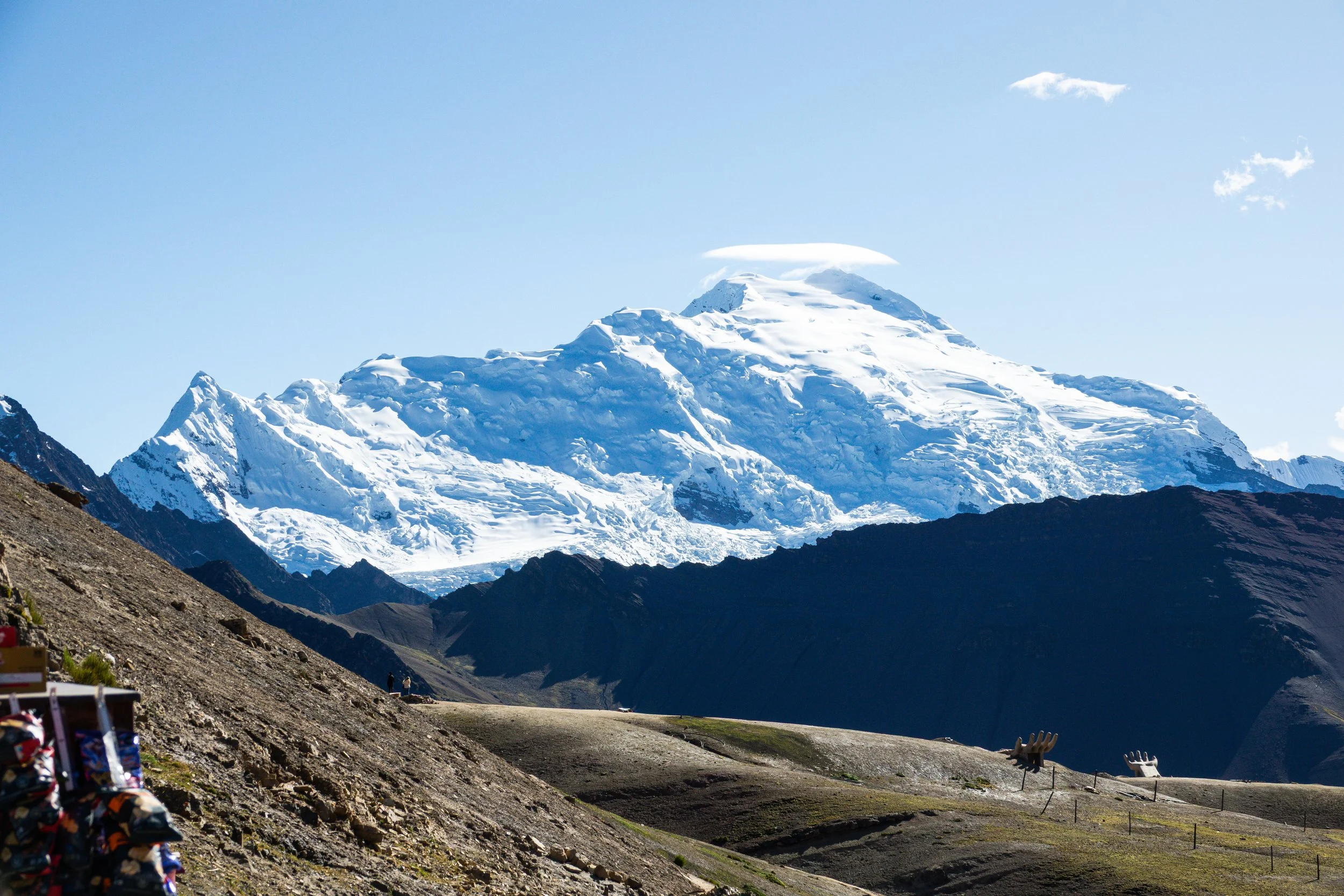
The Rainbow Mountain hike is short but extremely challenging due to altitude.
Key stats
Starting elevation: ~4,400 m (14,400 ft)
Summit elevation: ~5,036 m (16,522 ft)
Distance: 3–4 km one way
Hiking time: 1.5–2 hours up
Even though the distance is manageable, the altitude makes every step feel harder.
Many visitors experience symptoms like:
headaches
dizziness
nausea
shortness of breath
In our case, the altitude hit after the hike during the drive back, with a severe headache that required painkillers.
If you are not acclimatized to high altitude, this hike can feel surprisingly intense.
Horseback vs Hiking – Two Ways to Reach Rainbow Mountain
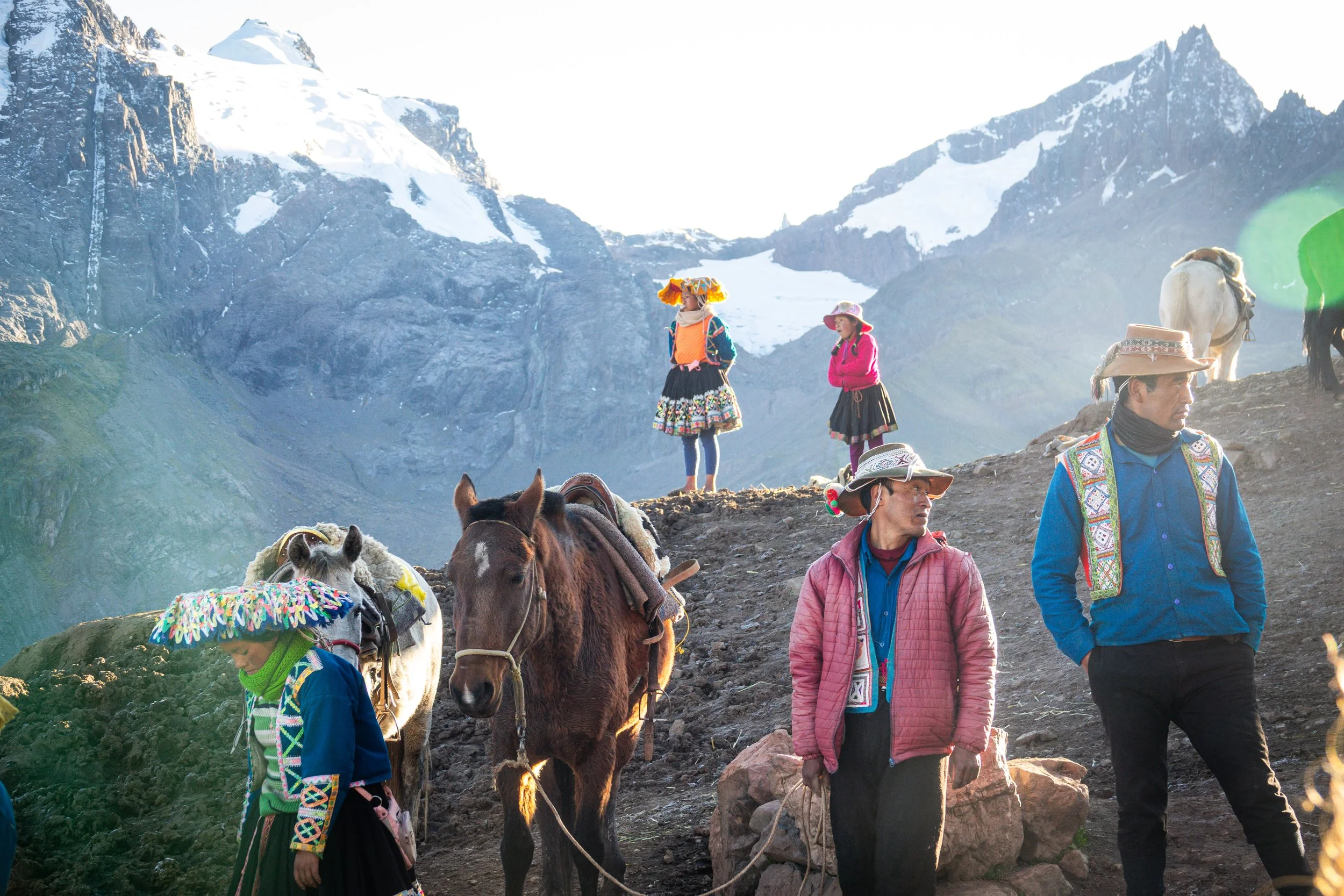
Local quechuas are ready to support if needed
One unique aspect of visiting Vinicunca is that you don’t necessarily have to hike the entire way.
Local Quechua guides offer horseback rides for most of the route.
Option 1: Hiking
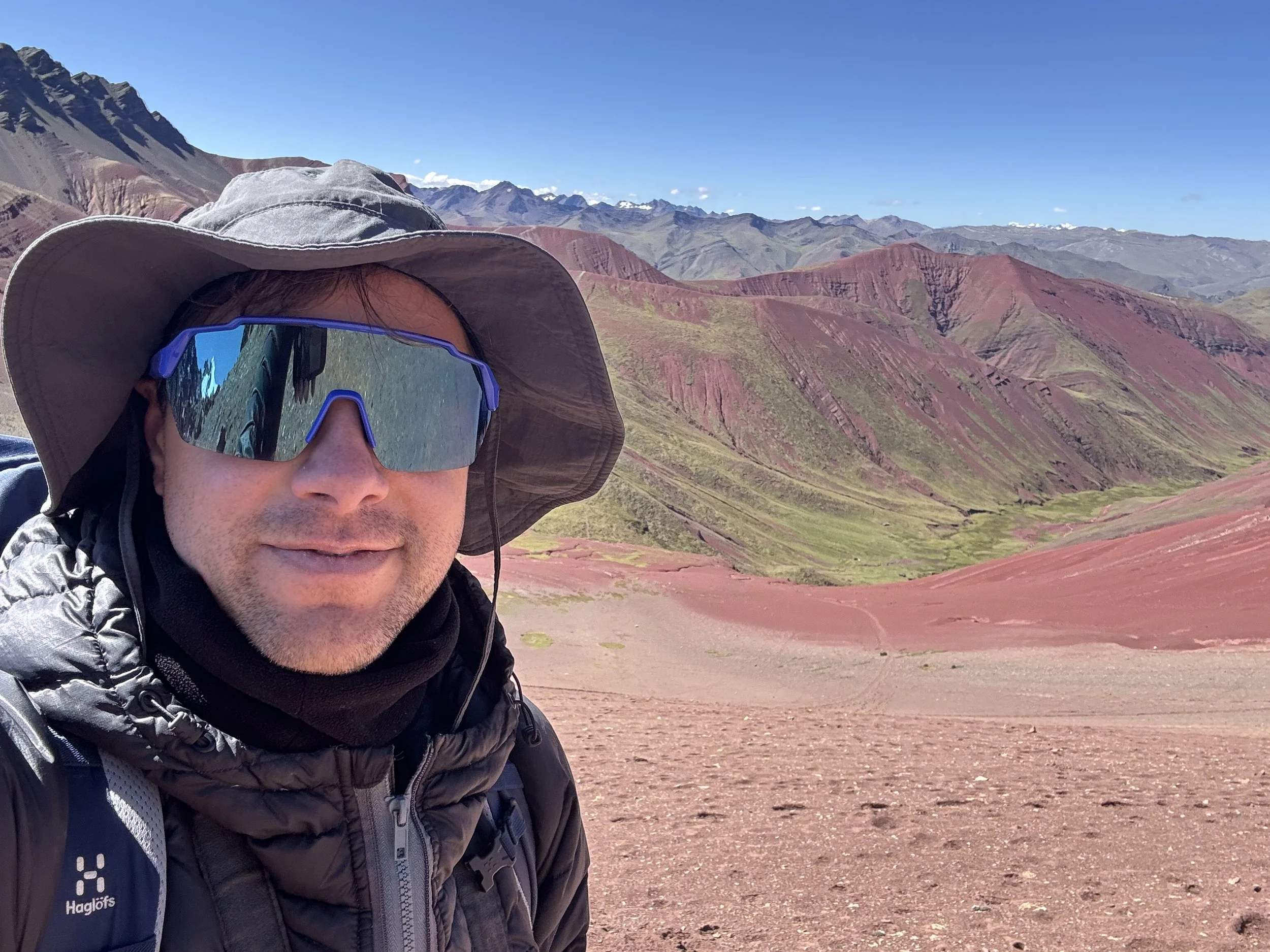
Best for travelers who:
are acclimatized
enjoy physical challenges
want the full trekking experience
You’ll walk through stunning landscapes with:
glaciers in the distance
herds of alpacas
dramatic Andean valleys
Option 2: Horseback ride
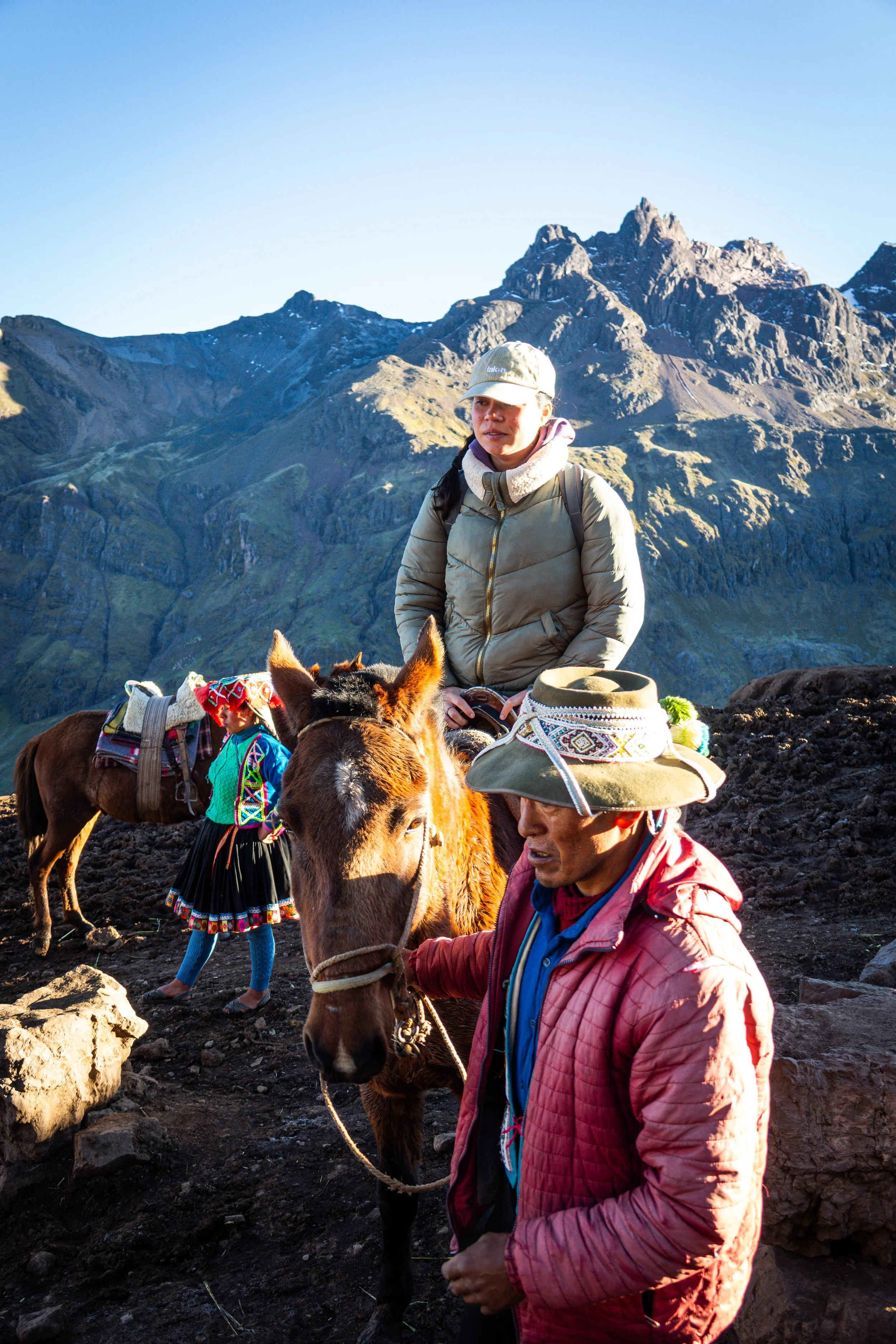
Best for travelers who:
struggle with altitude
prefer a less physical experience
want help from local guides
The horse takes you most of the way up, but the final steep climb must still be done on foot.
Don’t Skip the Red Valley
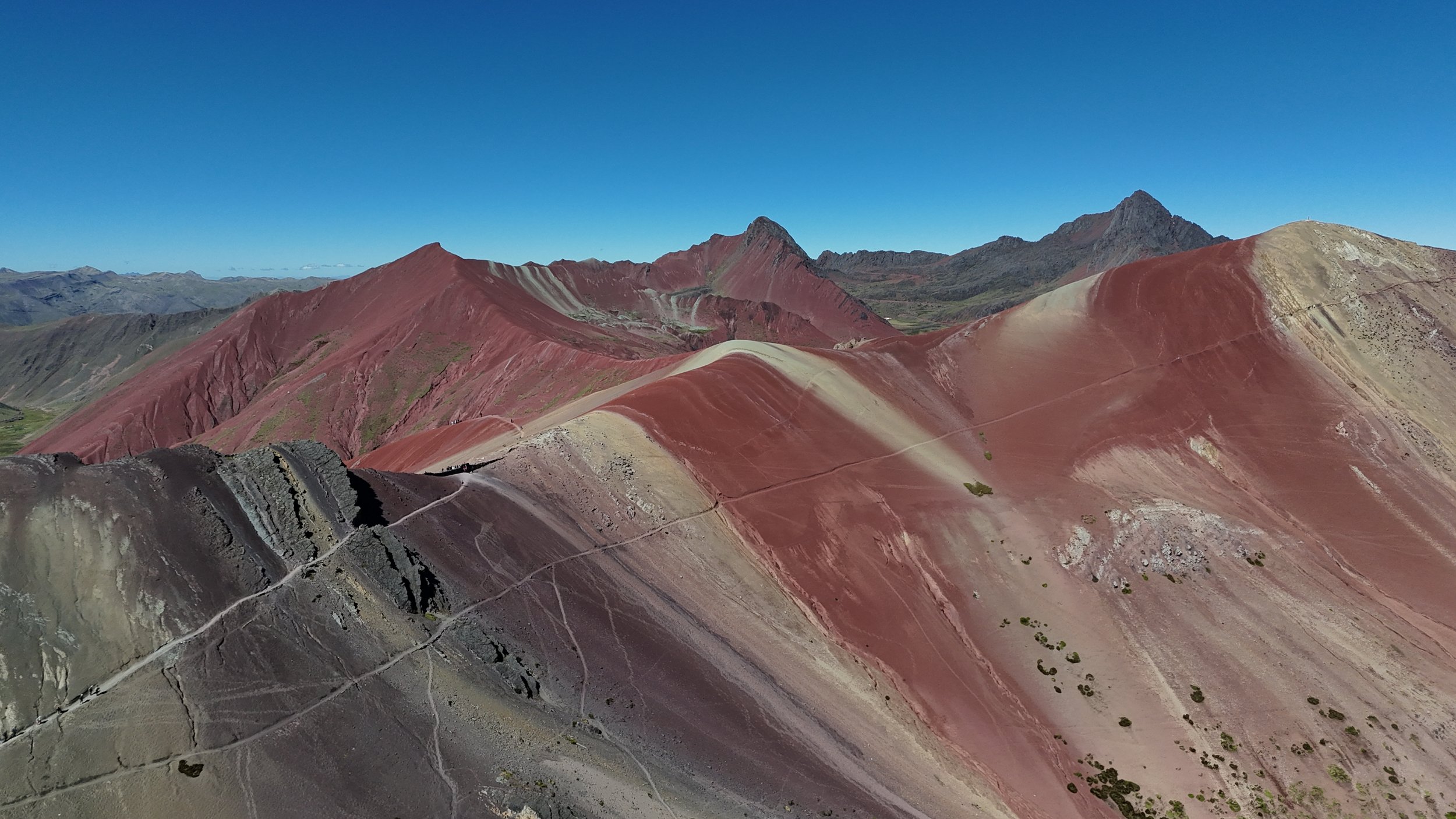
Many tours stop only at the Rainbow Mountain viewpoint, but continuing to Red Valley adds another spectacular landscape to the hike.
The valley is filled with deep red mountains and dramatic ridges that feel even more remote and untouched. Compared to the crowded Rainbow Mountain viewpoint, Red Valley often feels much quieter.
Just a short walk past the main viewpoint, Red Valley offers:
deep red landscapes
fewer crowds
massive panoramic views
In many ways, Red Valley felt even more surreal than Rainbow Mountain itself.
If you still have energy after reaching the summit, this short detour is absolutely worth it.
How to Visit Rainbow Mountain from Cusco
Almost all travelers visit Vinicunca as a day trip from Cusco.
Typical schedule:
1️⃣ 02:00–03:00 AM pickup in Cusco
2️⃣ 3 hour drive into the Andes
3️⃣ Breakfast stop in a small mountain village
4️⃣ Arrival at the trailhead around sunrise
5️⃣ 1.5–2 hour hike to the summit
Starting early is important because:
weather is more stable in the morning
you can avoid the biggest crowds
Best Rainbow Mountain Tours from Cusco
If you prefer an organized trip, these are popular options:
👉 Best Rainbow Mountain & Red Valley day tour from Cusco
https://gyg.me/0xvDIyVd
👉 Cheaper Rainbow Mountain tour option
https://gyg.me/fgg1r6XO
👉 Rainbow Mountain with ATV experience
https://gyg.me/l9qcuwK2
Tips to Avoid Altitude Sickness
Altitude is the biggest challenge at Rainbow Mountain.
Here are a few tips that help:
Spend at least 2–3 days in Cusco first
Acclimatization is essential.
Drink plenty of water
Dehydration makes altitude symptoms worse.
Try coca tea
A traditional Andean remedy used for centuries.
Walk slowly
This is not a race — steady pacing is key.
Is Rainbow Mountain Worth It?
Despite the early wake-up and the altitude challenge, Rainbow Mountain is absolutely worth visiting.
The combination of:
dramatic landscapes
unique geological colors
authentic Andean culture
makes Vinicunca one of the most unforgettable experiences in Peru.
However, it’s important to set the right expectations.
Rainbow Mountain isn’t just a quick photo stop — it’s a high-altitude adventure that requires preparation.
If you come ready for the challenge, the reward is incredible.
Who Should Skip the Rainbow Mountain Hike?
Rainbow Mountain may not be the best choice if:
you struggle with altitude
you have limited time to acclimatize in Cusco
you prefer quieter hikes away from crowds
In those cases, the Sacred Valley or other Andean hikes may be better alternatives.
What’s Next After Rainbow Mountain?
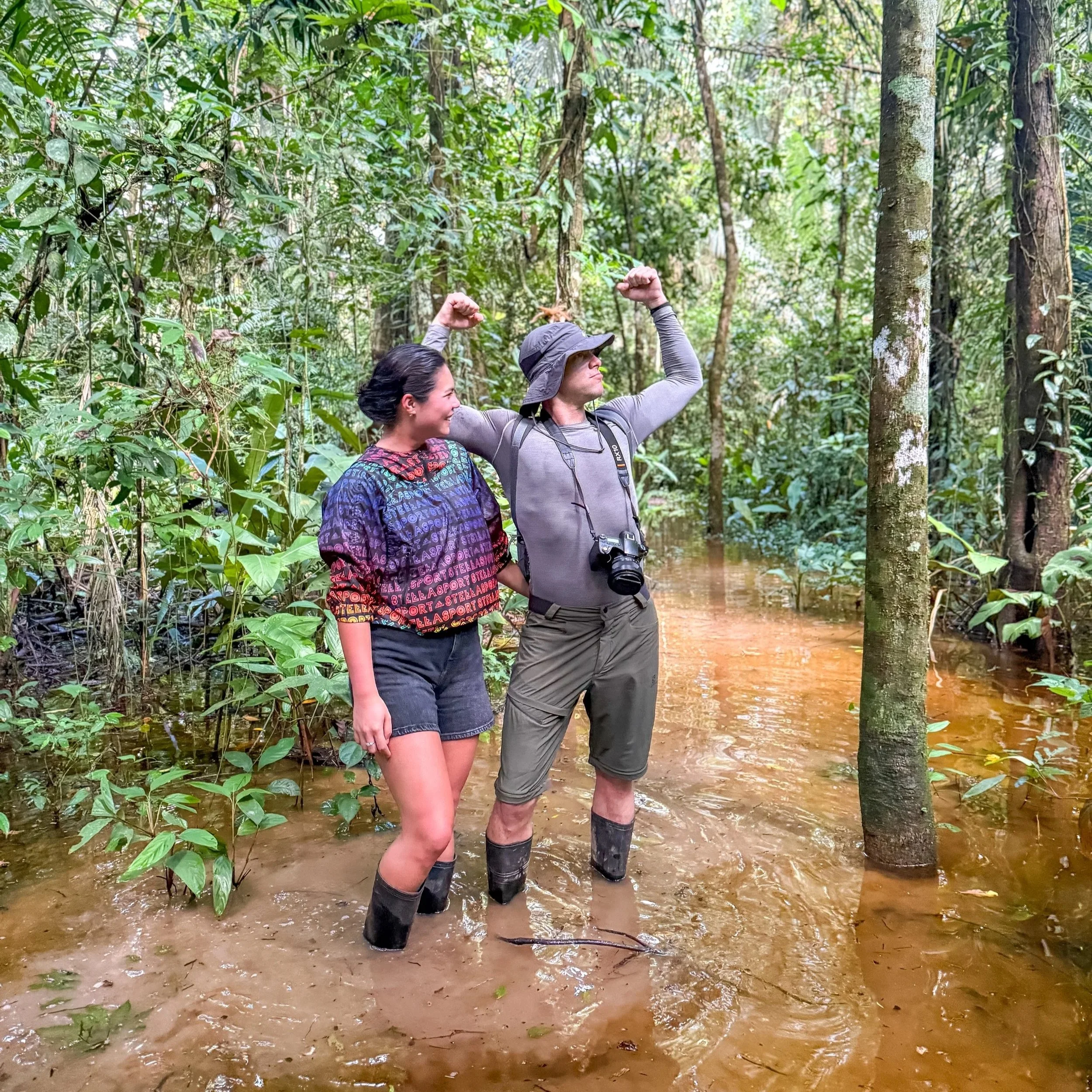
After exploring the high Andes, our journey continued in a completely different environment — the Peruvian Amazon.
From the glaciers that feed the mountains around Cusco, the water eventually flows into the Amazon basin.
In our next adventure, we followed that path into Tambopata National Reserve, one of the most biodiverse regions on Earth.
